Driving from Denver to the world-class resort town of Vail is one of Colorado’s most iconic mountain journeys. Whether you’re visiting for skiing, hiking, events, or a weekend getaway, understanding the Denver to Vail drive time is essential for planning a smooth and stress-free trip. In this guide, you’ll learn how long the drive typically takes, what factors affect your timing, the best routes, what to pack, and tips to make your mountain travel easier, plus why many travelers book a shuttle for convenience and safety.
Learn more about comparing shuttle providers.
How Long Does It Take to Drive From Denver to Vail?
The distance between Denver and Vail is approximately 100 miles (161 km), almost entirely along the scenic I-70 corridor. Under ideal conditions, the average Denver to Vail travel time ranges from 2 to 2.5 hours.
However, because you’ll be driving through the Rocky Mountains, the actual time can vary significantly based on traffic, weather, and construction. Winter storms, weekend ski traffic, or summer roadwork can add 30 minutes to 2+ hours to your trip.
The return trip is similar in length, but many visitors notice that the Denver to Vail drive time can be shorter going westbound compared to the heavier Sunday-afternoon eastbound traffic from Vail back to Denver, especially during ski season.

Factors That Affect Your Driving Time
Mountain driving is unpredictable, and several factors can influence your drive from Denver to Vail:
- Weather (snow, rain, ice, temperature swings)
- Time of day and day of the week
- Road construction or lane closures
- Holiday, weekend, or ski-season traffic
Weather Conditions on the Mountain Route
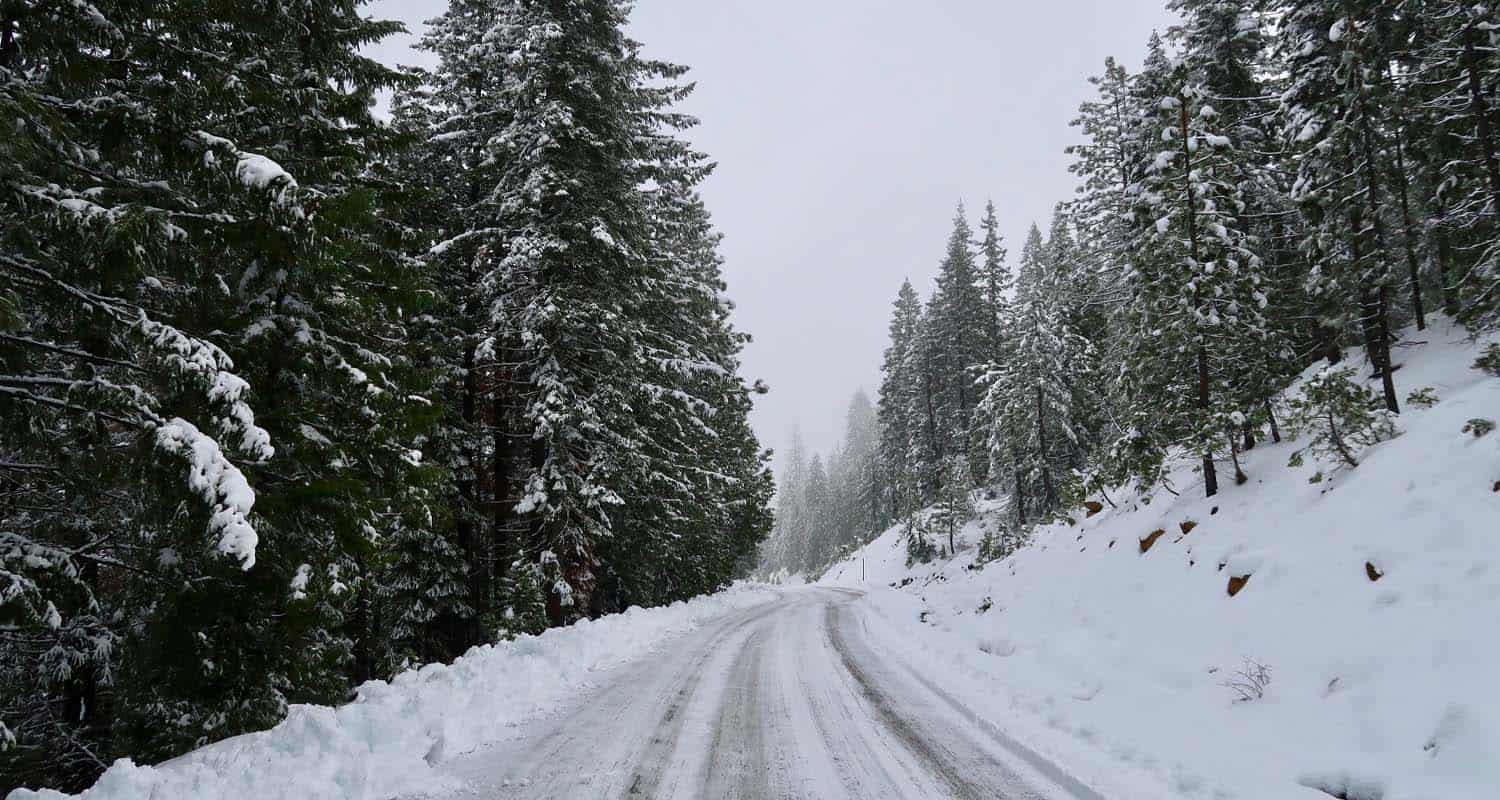
Weather is the number one variable affecting Denver to Vail drive time or getting to Breckenridge. Snowstorms can cause road slowdowns, traction laws, and full closures over the higher elevations near the Eisenhower Tunnel and Vail Pass. Even in spring and fall, sudden temperature drops can create icy patches.
Check forecasts and travel alerts through CDOT or COTrip before departing. In winter, ensure your vehicle has snow tires or chains, especially if you’re unfamiliar with mountain driving.
Time of Day and Traffic Patterns
Colorado’s I-70 sees distinct traffic swings:
- Weekends: Heaviest travel, especially Friday evenings heading west and Sunday afternoons heading east.
- Early mornings: Typically the easiest time to begin your drive.
- Holidays: Expect delays that extend your drive time from Denver to Vail by an hour or more.
Road Construction and Closures
The I-70 corridor frequently undergoes maintenance and improvements. Lane restrictions, reduced speed limits, and periodic closures can impact your Denver to Vail drive time. Check COTrip.org for live camera feeds and construction updates.

Best Routes From Denver to Vail
While I-70 West is the primary route, there are alternative scenic options depending on the season.
The I-70 Corridor Route
The fastest, most common, and most direct way to Vail is I-70 West. This route passes several key mountain towns and landmarks:
- Idaho Springs – historic mining town and hot springs
- Eisenhower Tunnel (Eisenhower Tunnel Guide) – one of the highest vehicular tunnels in North America
- Frisco / Silverthorne – dining, outlets, and marina views
- Copper Mountain – gateway to higher elevation terrain
The I-70 route is stunning year-round, but weather changes quickly. Variable speed limits are common, and congestion during ski season can increase your drive time from Vail to Denver. Check out what you’ll see on I-70.
Scenic Alternative Routes
If you prefer a slower, more scenic approach (and it’s summer), consider:
- Highway 6 over Loveland Pass – open seasonally, offering dramatic alpine photos.
- Leadville detours – accessible from Copper Mountain for a historic and quieter mountain drive.
- Georgetown and Silver Plume stops – great for stretching your legs or grabbing a bite.
These alternatives can extend your Denver to Vail drive time, but they offer spectacular views.

What to Pack and Prepare for Your Drive
Mountain driving demands preparation, especially in winter or during long traffic delays.
Vehicle Maintenance Checklist
Before beginning your trip, check:
- Tire condition (and snow tires in winter)
- Coolant and brake fluid
- Windshield wipers and washer fluid
- Brake performance on steep grades
- 4WD/AWD functionality (if equipped)
- Snow chains (required during traction laws)
Emergency Supplies and Safety Gear
To protect yourself during unexpected delays, pack:
- Water, snacks, and electrolyte drinks
- Flashlight, jumper cables, and a blanket
- Phone charger or power bank
- Gloves, warm layers, and winter boots
- Altitude-friendly items (hydration helps!)
These items won’t change your driving time from Denver to Vail, but they ensure a safer ride if weather or traffic slows you down.

Tips for Making Your Denver to Vail Drive Easier
Smart planning can shave time off your time to drive from Denver to Vail and reduce stress during the trip.
Navigation and Planning Apps
Before and during your drive, check:
- Google Maps for real-time travel estimates
- Waze for accident reports and speed traps
- COTrip for live cameras, road conditions, and closures
These tools help you anticipate changes to your Denver to Vail drive time, or read more on trip planning information.
Rest Stops and Breaks
Stretch, fuel up, or explore at these popular stops:
- Idaho Springs – coffee, food, and river views
- Silverthorne Outlets – shopping break
- Frisco Bay Marina – a beautiful lakeside stop
A quick break can make the mountain drive much more comfortable.
Gas Up Before Heading Into the Mountains
Fuel options become more limited and expensive at higher altitudes. For a smoother experience and consistent time to drive from Vail to Denver, fill up in:
- Denver (cheapest fuel)
- Idaho Springs (last convenient stop before the climb)

Planning Your Return Trip to Denver
Many visitors underestimate the Denver to Vail travel time, especially on Sundays. Expect:
- Heavier traffic between 1 p.m. and 7 p.m.
- Slower speeds on downhill grades
- More braking and increased wear
- Greater impact from winter weather
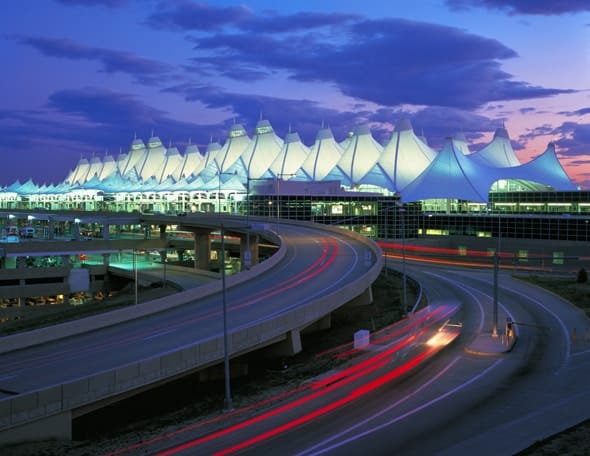
Give yourself a buffer of 30–60 minutes on your return, especially if you must catch a flight at Denver International Airport.
Final Thoughts on Your Denver to Vail Adventure
The Denver to Vail drive time offers travelers a scenic preview of Colorado’s mountain beauty, but it comes with variables, like weather, traffic, and road conditions, that can easily add time and stress to the journey. By planning ahead, packing wisely, and choosing the right route, you can make the drive an enjoyable part of your trip.
For travelers who prefer to skip the driving altogether, Peak 1 Express provides reliable, year-round private and shared shuttle services between Denver and Vail. Let professional, mountain-trained drivers handle the roads so you can relax and enjoy the ride with no parking, no snow tires, and no stress. Check out Peak 1 Express FAQ for more information or to learn more about Peak 1 Express.

Meet Mitchell, the newest member of the Outlaw team, who’s always on the lookout for hidden gems—whether that’s in a thrift store, at the most aesthetic coffee shop, or the next marketing campaign! Social media is his one true passion, and writing and telling stories has always accompanied it. When he’s not typing away on his next great story or blog post, you can find him at Wash Park playing grass volleyball or rollerblading at a safe speed.
His motto? “Smile, it’s always in style!” A perfect reminder to keep things light, positive, and full of good vibes—just like his approach to life, marketing, and writing!